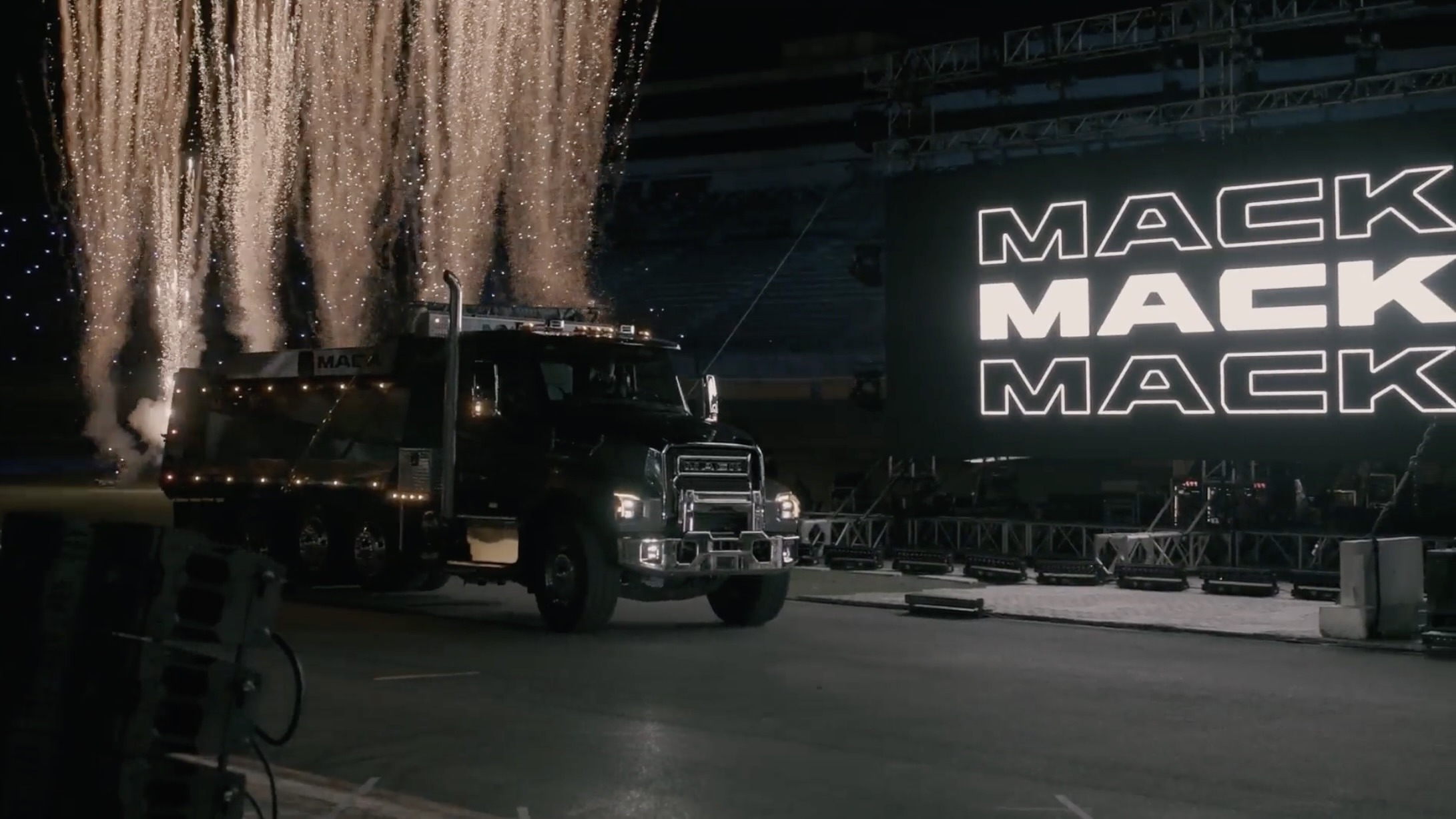
To all those event planners who spend months refining their event agenda, don’t forget what attendees will actually remember: the moments. You know the ones. A beatboxer kicks off the event with Come Together. A CEO stops mid-presentation to promote an employee on stage. The camera pans to veterans in the audience as the National Anthem plays. These are the moments that transform a well-run event into a memorable one.
Here’s what neuroscience tells us about building moments that people can’t stop talking about.
Peak-End Rule:
People remember the high point and the ending; everything else in the middle tends to blur. Put your biggest reveal moment in the middle of the agenda, and end on something that sends people home energized and inspired.
Novelty Principle:
Our brains pay attention to the unexpected. Break the predictable “sit-and-watch” format with surprise interactive performances, unconventional seating, or sudden room changes that make people say wow.
Multi-Sensory Encoding:
The more senses you engage, the stronger the memory. Reinforce key messages with bold visuals, purposeful music, audience involvement and, when appropriate, signature scents to create lasting memory anchors.
Story-telling:
Facts inform, but stories stick. Frame presentations around a clear narrative with a challenge, a turning point, and a solution to make presentations more story-driven and far more memorable.
Post-Event Reinforcement:
Memories fade quickly unless they’re revisited. Keep the event alive with fun highlight reels, personalized follow-ups, and captivating content that remind attendees of what they saw, felt, and learned.
At the end of the meeting, the question isn’t whether attendees will remember your agenda; they won’t. The question is whether you’ve intentionally created the moments that make remembering inevitable.